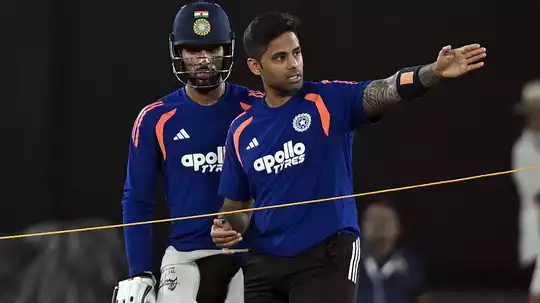
The ICC Men’s T20 World Cup 2026 has reached a fever pitch, but beneath the national anthems and the fierce tribalism of the Super Eight stage lies a complex web of personal narratives. In the modern era of the sport, the lines between "us" and "them" have never been more blurred. As New Zealand, England, India, and South Africa battle for supremacy, we are witnessing a tournament "strewn with the best of frenemies"—a unique sporting phenomenon where the person trying to knock your stumps out today is the same person you’ll be sharing a dugout (and perhaps a celebratory dinner) with in just a few weeks’ time.
This tournament, co-hosted by India and Sri Lanka, is the ultimate stage for these conflicted loyalties. Whether it is a South African pacer running in against his Indian IPL captain or a New Zealand spinner plotting the downfall of his Sri Lankan franchise teammate, the 2026 World Cup is as much about these intimate rivalries as it is about national pride. These "frenemies" bring a layer of psychological chess to the game, as they possess deep, insider knowledge of each other's strengths, weaknesses, and even their deepest cricketing fears.
Context: The Franchise Revolution and Global Bonds
The explosion of T20 leagues worldwide—from the IPL and the SA20 to the Hundred and the BBL—has fundamentally altered the social fabric of international cricket. Players no longer spend 10 months of the year only with their compatriots. Instead, they spend significant portions of their careers in multinational dressing rooms.
In the 2026 World Cup, these bonds are being tested. We see it in the way Harry Brook celebrates a wicket against Pakistan, knowing half the Pakistani bowling attack from his stints in the PSL. We see it in the respectful but lethal exchanges between Mitchell Santner and the Sri Lankan batters he has mentored in various T20 leagues. These aren't just athletes competing; they are friends who know exactly which ball makes the other uncomfortable. This "insider trading" of tactical secrets has made the Super Eight stage one of the most strategically dense periods in World Cup history.
Key Talking Points: The Insider’s Edge
The "frenemy" dynamic creates several fascinating subplots that have dictated the course of matches in this tournament:
- The Blueprint of Betrayal: When a bowler knows a batter’s "trigger movement" because they’ve practiced together for years, the game changes. In the recent New Zealand vs. Sri Lanka clash, Santner’s field placements for certain Lankan batters were suspiciously precise—almost as if he knew their go-to escape shots before they even played them.
- The Emotional Tug-of-War: It is one thing to be competitive; it’s another to aggressively celebrate the dismissal of a close friend. This World Cup has seen a mix of "apologetic" dismissals and "over-the-top" send-offs, reflecting the varying ways players handle the emotional complexity of facing a comrade.
- Captaincy and "Mole" Tactics: Captains are increasingly relying on players who have played in foreign domestic leagues to act as "informants." Before India’s match against South Africa, reports emerged of the Indian leadership consulting players with significant SA20 experience to decode the "bounce-heavy" lengths of the Proteas' attack.
Player Focus: The Brook-Afridi Connection
A standout example of this "frenemy" narrative occurred during England’s nail-biting win over Pakistan. Harry Brook, who has a deep affinity for Pakistan and has often called it his "second home" due to his PSL success, was the man who single-handedly demolished their semi-final hopes with a stunning century.
On the other side was Shaheen Shah Afridi. The two have shared numerous moments of mutual admiration in franchise cricket. Yet, in Kandy, Shaheen was charging in with a ferocity that suggested no prior friendship existed. He eventually got his man, but not before Brook had tilted the game irrevocably in England's favor.
"It’s weird, isn't it?" Brook said after the match. "I love those guys, and Shaheen is one of the best I've ever faced. You want him to do well, just not against you. In the middle, you forget the dinners and the jokes; it’s just about the ball. But the hug at the end—that was real."
Tournament Impact: Neutralizing Home Advantage
- Demystifying the Spin: International players who have spent years playing in the IPL are no longer "all at sea" on turning Indian tracks. They’ve faced Kuldeep Yadav and Axar Patel in the nets hundreds of times. This familiarity has led to higher-scoring games and a more level playing field.
- Crowd Dynamics: Even the crowds are torn. In Chennai or Mumbai, an overseas player like a David Miller or Rashid Khan often receives as much applause as a local hero, simply because of their franchise legacies. This softens the "hostile" atmosphere that teams used to fear when touring South Asia.
Broader Perspective: The Evolution of Sportsmanship
Critics often argue that franchise cricket has "diluted" the intensity of international rivalries. They point to the 1980s and 90s, where rivalries like the Ashes or India-Pakistan were defined by a genuine, sometimes bitter, lack of familiarity.
However, the 2026 World Cup suggests a different evolution: Professionalism over Animosity. The intensity hasn't decreased; it has simply become more surgical. Players are arguably more competitive because they know each other so well. There is a pride in proving you are better than your friend on the biggest stage of all. It’s not a lack of passion; it’s a modern, globalized form of it.
What’s Next?
As we move into the semi-finals, these "frenemy" matchups will only become more frequent. Should India face England in the knockouts, we will see a "Mumbai Indians reunion" and "Chennai Super Kings face-offs" all over the field. The tactical briefings for these games will likely involve less video footage and more "he told me he hates this length" conversations.
The upcoming clash between India and Zimbabwe at Chepauk will also feature players who have crossed paths in various T20 circuits, further proving that in 2026, the cricket world is a very small place.
Conclusion
The T20 World Cup 2026 is proving that friendship and fierce competition can coexist, albeit in a state of constant tension. The "best of frenemies" narrative adds a human element to the cold statistics of the game. It reminds us that while the shirts they wear represent different nations, the bond of the game is universal. As fans, we aren't just watching a battle of nations; we are watching a global community of athletes testing each other to their absolute limits—and then shaking hands when the dust settles.