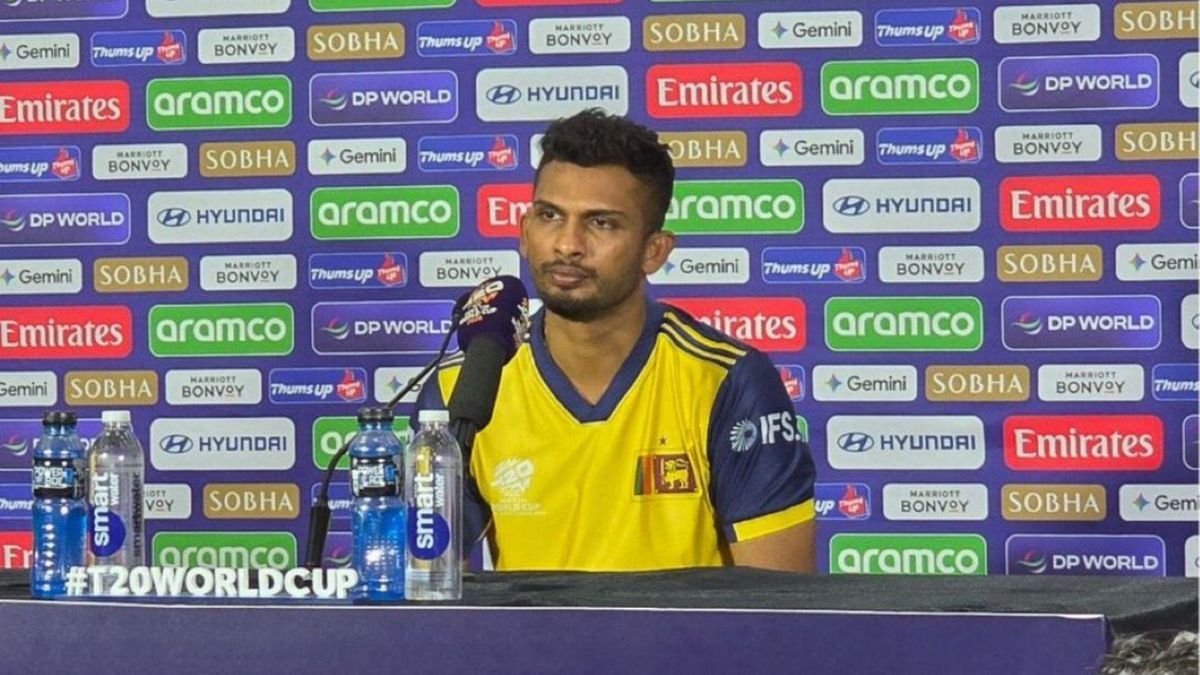
The dust has barely settled on the R. Premadasa Stadium pitch, but for Sri Lankan cricket, the landscape looks more fractured than ever. Following a crushing 61-run defeat to New Zealand that officially confirmed their elimination from the ICC Men's T20 World Cup 2026, captain Dasun Shanaka did not hold back. In a raw, emotionally charged post-match press conference, Shanaka bypassed the usual cricketing platitudes to deliver a scathing assessment of the national team's current state, calling for a "long-term structural reset" that prioritizes player fitness and mental well-being over short-term fixes.
For the co-hosts, this exit is a moment of profound national disappointment. After a promising group stage that included a historic win over Australia, the wheels came off in the Super Eight stage with back-to-back losses to England and New Zealand. As the fans' cheers turned to boos in Colombo, Shanaka’s plea for a reset feels less like a suggestion and more like an ultimatum for the survival of the sport in the island nation.
Context: From Hope to Heartbreak
Sri Lanka entered this home World Cup with a clear objective: to reclaim their status as a T20 powerhouse. Under the guidance of mental conditioning coach Paddy Upton and a coaching staff focused on aggressive "Lankan-style" cricket, the initial signs were positive. They cruised through the opening round, playing with a flair that reminded many of the 1996 or 2014 glory days.
However, as the tournament progressed into the high-pressure Super Eight stage, the cracks widened. Injuries to key personnel—most notably ace spinner Wanindu Hasaranga and pace sensation Matheesha Pathirana—stripped the team of its tactical edge. By the time they met New Zealand, the side looked physically drained and mentally besieged by the mounting pressure from a demanding public and a relentless local media cycle.
The "Non-Negotiable" Reset: Fitness as the Foundation
The core of Shanaka’s message was a blunt critique of the team's physical standards. For a nation that has consistently struggled with player availability in major tournaments, Shanaka identified fitness as the primary hurdle.
- The Injury Plague: "I played all past five World Cups, except one, and this was the topic spoken in all of them—injuries, injuries, injuries," Shanaka reflected. He argued that the frequency of soft-tissue injuries among their best bowlers isn't just bad luck; it’s a symptom of a systemic failure in physical preparation.
- A Culture Shift: Shanaka declared that for the "new era" of Sri Lankan cricket, fitness must be "number one" and "unnegotiable." He hinted that moving forward, talent alone should not be enough to earn a spot in the XI if the physical benchmarks are not met.
Talking Points: Shielding the Next Generation
- Mental Health Concerns: Shanaka spoke at length about the "outside noise" and the "mics outside the stadium" spreading negativity. He claimed that the constant, often uninformed, criticism is damaging the mental health of current players and, more importantly, scaring off the next generation.
- Government Intervention: In an unprecedented move, Shanaka even suggested that the government should intervene to protect players from toxic levels of public abuse. While this has sparked a debate about free speech and accountability in sports, it highlights the extreme pressure the players felt as hosts of a global event.
- Tactical Failures: Despite the external factors, Shanaka took responsibility for the batting collapses, admitting that the team failed to adapt to the slower Colombo tracks, often playing "poor shots at critical intervals" instead of utilizing more sensible options like the sweep or strike rotation.
Player Focus: The Captain’s Uncertain Future
Throughout the presser, Shanaka’s own future remained a looming question. Having led the side through its most turbulent period, including the 2022 Asia Cup win and the subsequent struggles in ICC events, the skipper seemed prepared for whatever comes next.
"As a captain, I have no idea how long I’ll be a captain. That’s decided by the selectors. I’m happy I had this opportunity and that I could captain at a World Cup," he stated with a sense of weary finality.
His leadership has often been the glue holding a young team together, but with a "long-term reset" on the cards, the selectors may look to a younger leader like Kamindu Mendis or a fit-again Hasaranga to spearhead the 2028 cycle.
Tournament Impact: A Hollow Final Stand
- Momentum for 2028: Shanaka emphasized that finishing strong against Pakistan is crucial. "It’s very important to finish a World Cup well because it gives momentum for the next tournament," he noted.
- The Spoiler Role: While Sri Lanka cannot qualify, they can play the role of the spoiler, potentially ending Pakistan's slim hopes and impacting the final standings of Group 2.
Broader Perspective: The Danger of Irrelevance
Former captain Kumar Sangakkara echoed Shanaka’s sentiments on social media, warning that Sri Lankan cricket faces the "danger of irrelevance" if they do not evolve. The world around them—led by the tactical innovations of England and the clinical consistency of New Zealand—is moving faster than the domestic structures in Sri Lanka.
The "reset" Shanaka calls for isn't just about training harder; it’s about modernizing a domestic system that many experts believe is bloated and fails to bridge the gap between club cricket and the international arena.
What’s Next?
The immediate focus remains the final match against Pakistan in Pallekele. However, the real work begins the day after the tournament ends. The Sri Lanka Cricket (SLC) board is expected to conduct a full review of the campaign, with the coaching staff and captaincy both likely to come under intense scrutiny.
Fans are waiting to see if this "reset" will be a genuine overhaul or just another temporary fix in a cycle of disappointment.
Conclusion
Dasun Shanaka’s call for a long-term reset marks a potential turning point for Sri Lankan cricket. By identifying fitness and mental resilience as the twin pillars of future success, he has laid out a roadmap that transcends simple wins and losses. Whether the administration and the public have the patience to see through such a radical change remains to be seen. For now, the co-hosts exit their own party early, left to wonder what might have been if they had prioritized the "non-negotiables" years ago.