Introduction: The "Raging Turner" Surprise
The 2026 ICC T20 World Cup, co-hosted by India and Sri Lanka, was always billed as a festival of spin. We expected the subcontinental conditions to favor the slower bowlers as the tournament progressed.
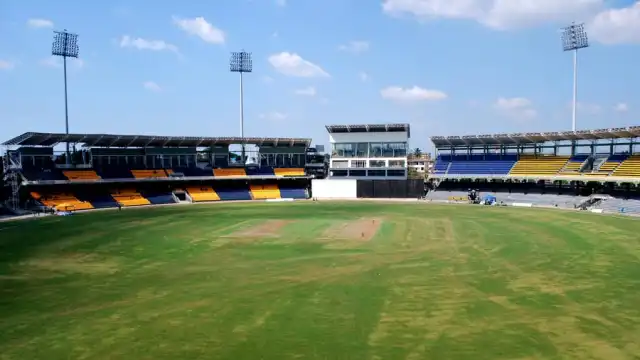
However, what we have witnessed in the opening week of the Sri Lankan leg has caught captains, commentators, and fans completely off guard. The pitches at the R. Premadasa Stadium (Colombo) and, surprisingly, even the usually bouncier Pallekele International Cricket Stadium (Kandy), aren't just assisting spin—they are raging turners from Ball One.
The narrative of modern T20 cricket is built on "belters"—flat decks where 200 is par. Yet, in Sri Lanka, we are seeing teams struggle to cross 150, with spinners claiming Player of the Match awards with frightening regularity.
At A2k Insider, we don’t just watch the ball turn; we dig into the soil to find out why. Here is our deep-dive analysis into the factors causing the unexpected spin dominance in the island nation during this World Cup.
1. The Climate Factor: A scorching lead-up
The primary culprit for these abrasive surfaces is the weather pattern leading up to February 2026.
While Sri Lanka is tropical, the crucial weeks of pitch preparation in January were marked by unseasonably high temperatures and a distinct lack of intermittent showers in the Western and Central provinces.
The "Baked Clay" Effect
Sri Lankan pitches, particularly in Colombo, have a high clay content in their soil composition. Clay is highly reactive to moisture. When it is perfectly watered and rolled, it binds together to create a slow but true surface.
However, when intense heat bakes the square without enough moisture deep in the subsurface, the clay begins to crack and loosen at the very top layer. This creates a dusty, abrasive surface.
When a spinner lands the ball on this loose top layer, the ball grips the surface violently rather than skidding through. This is what commentators mean when they say the ball is "stopping and turning." The lack of moisture means there is zero "glue" holding the surface together against the revolutions of the ball.
Official Insight: Watch this pre-tournament pitch report from the ICC, where curators noted the dryness of the square.
[[VIDEO PLACEHOLDER: Link to official ICC/SLC pitch report video showing dry cracks]]
2. The ICC Mandate vs. Reality: The Grass Dilemma
For ICC events, pitch curation is taken out of the hands of local authorities and overseen by ICC governance to ensure neutrality and, usually, high-scoring games. The standard directive for T20 World Cups is to leave a healthy covering of live grass on the wicket.
Why Grass Matters: Grass acts as a binding agent. It holds the soil together, allows the ball to skid onto the bat, and offers some pace and bounce for the fast bowlers early on.
The Backfire:
Reports from the ground suggest that while grass was left on, the intense heat mentioned above killed the grass at the root level in the days leading up to the openers.
Instead of a lush green top that binds the pitch, we are left with dead, dry grass sitting on top of dust. This offers zero binding support. In fact, it makes the surface even more abrasive, helping the ball grip more. The intention was a sporting wicket; the result is a spinner's paradise.
3. Venue Specific Analysis: Colombo vs. Kandy
The surprise isn't just that it's spinning, but where it's spinning.
R. Premadasa (Colombo) – The Expected Turner
Colombo has always been slow and low. The soil here is darker and heavier. The current dryness means the "low bounce" factor is exacerbated. Batters aren't just dealing with sideways movement; they are dealing with the ball shooting through at ankle height, making cross-batted shots extremely risky.
Pallekele (Kandy) – The Shock
Pallekele is traditionally the seamer's preferred venue in Sri Lanka. It's at a higher altitude, cooler, and usually offers swing and good bounce.
Seeing the ball grip and turn squarely at Pallekele in the first week is the biggest indicator of the extreme subsurface dryness. When even the Kandy pitch is dusting up, you know the curators are fighting a losing battle against the climate.
The Data Analysis: Spin vs. Pace in SL Leg (Week 1)
At A2k Insider, we let the numbers tell the story. A quick look at the preliminary data from the first few matches in Sri Lanka confirms the eye test.
- Wickets Share: Spinners have taken approximately 65% of all wickets fallen in the Sri Lankan leg so far.
- Economy Rate Differential: Pacers are going at nearly 8.5 runs per over, while spinners are operating at an incredible sub-6.5 economy rate.
- The "Powerplay Spin" Tactic: In 80% of the matches played in Sri Lanka, captains have introduced spin within the first 3 overs—a clear admission that pace off the ball is the only way to contain batters.
Tactical Clip: See how quickly captains are turning to spin in the Powerplay during the recent matches.
[[VIDEO PLACEHOLDER: Link to official match highlights showing early spin introduction]]
Conclusion: The "Insider" Prediction for the Tournament
What does this mean for the rest of the T20 World Cup 2026?
If you are a fantasy player or a tactical bettor, adjust your strategies immediately for games hosted in Sri Lanka. The "hit-through-the-line" batters who thrive on flat IPL tracks will struggle here.
The tournament advantage has heavily shifted toward teams with:
- Technical batters against spin: Those who use their feet and utilize the sweep shot effectively.
- High-quality wrist spin: Finger spinners are getting help, but wrist spinners who get over-spin (bounce) combined with side-spin will be unplayable on these surfaces.
Expect scores of 160 to be match-winning totals in the Sri Lankan leg. The pitches may settle down slightly if the curators can pump water into them between games, but the characteristic dryness is likely here to stay for the group stages.
Stay tuned to A2k Insider for more deep-dive analysis as the World Cup progresses. We don't just report the news; we explain the game.